











Telehealth is often seen as a stable but less accessible alternative to nutra: something you work up to by gaining authority with quality content, building up or buying mailing lists, and eventually seeing stable profits. It's a completely viable approach, but not the only one.
There are ways to run telehealth without committing to months of prep or thousands of dollars in testing budget. Most of them involve injecting a bit of nutra-adjacent direct-response psychology into your campaigns. This telehealth deep dive will break down what that means and how any affiliate can test, profit from, and scale telehealth offers.
What is telehealth?
Telehealth is the delivery of healthcare services remotely through online communication. Instead of visiting a clinic in person, patients connect with licensed medical professionals via online platforms for consultations, prescriptions, and ongoing treatment.
This can include:
Virtual doctor consultations
Prescription fulfillment and delivery
Mental health counseling
Chronic condition management
Specialized services (e.g., dermatology, sexual health, weight loss)
Telehealth platforms cover the entire patient journey by combining medical intake forms, video consultations, and online prescriptions into one convenient service. Most U.S. hospitals and many independent clinics integrate telehealth into their services, and there are over a thousand digital telehealth platforms worldwide serving millions of patients. Most of them run affiliate programs on a CPS or revenue share commission model.
How do telehealth funnels work?
One of the strongest advantages of telehealth affiliate offers is their optimized funnels. Most telehealth brands have refined their flow for conversion to the point of having some of the lowest landing page bounce rates in affiliate marketing.
Here's how a typical telehealth conversion flow works:
Ad / LP click
User clicks an ad or content link promoting a specific solution (hair loss treatment, ED medication, anxiety support).
Pre-sell / Educational content
The user is educated about symptoms, benefits, and treatment options.
Online medical intake form
The user completes a secure questionnaire reviewed by a licensed provider.
Provider review
A medical professional evaluates eligibility.
Checkout and prescription fulfillment
The user pays and receives medication shipped directly to their home.
This works well for affiliates because user intent is comparatively high, the funnel filters out unqualified leads before they are approved, and industry compliance requirements ensure advertiser turnover stays minimal.
Why do people sign up for telehealth?
To work out an effective advertising angle, it helps to consider all possible selling points. It's easy to dismiss some of them as obvious, but failing to take one into account can cost you a few percent in CR. Let’s quickly run through the main reasons telehealth appeals to users
1. Convenience
Patients can consult with a provider from home without having to deal with waiting rooms, travel time, and scheduling headaches.
2. Privacy and discretion
Many telehealth categories (e.g., sexual health, mental health, weight management) involve sensitive issues that people prefer to resolve without in-person visits.
3. Nationwide reach
Unlike local clinics, telehealth platforms often operate across multiple states. This helps patients widen their pool of available care options and allows affiliates to scale campaigns nationally without geographic constraints.
4. Credentials-based trust
Legitimate telehealth providers work with licensed medical professionals and regulated pharmacies. This credibility increases consumer trust and reduces refund rates.
Who is the target audience for telehealth offers?
Telehealth appeals to a massive demographic range, but there are audience segments that show consistent performance. Here are a few segments you can filter for right away in any telehealth niche:
1. Busy professionals
Individuals aged 25–45 who value convenience and time savings.
2. Privacy-conscious users
Users seeking treatment for conditions like erectile dysfunction, hair loss, anxiety or depression, and obesity often prefer digital-first healthcare options.
3. Rural or underserved areas
People living in areas with limited access to specialists can benefit significantly from telehealth services.
4. Subscription-friendly consumers
Users already comfortable with subscription models (streaming, meal kits, supplements) are more likely to commit to ongoing treatment plans.
These are the general target audience segments for telehealth, but matching the audience to a particular offer is the main key to running a profitable campaign. Some conditions are more likely to occur in a certain age range, and others are more prevalent for certain professions. Doing preliminary research can help laser lock your targeting and save the majority of your testing budget.
What traffic types work best for telehealth affiliate offers?
In a research-heavy vertical like telehealth, content-rich formats perform best. Choose traffic channels with precise targeting options that are conducive to educating users, demonstrating credibility, and establishing trust. Some of the best options are:
Paid Social
Platforms like Facebook and TikTok can perform well when creatives focus on education and lifestyle benefits.
Native
Native ads work wonders for advertorial-style funnels. Educational content combined with symptom-focused angles can drive high-intent traffic at scale.
Search (PPC & SEO)
Search traffic often converts exceptionally well due to high intent. Keywords like:
“online doctor for anxiety”
“ED medication online”
“hair loss prescription online”
capture users already seeking solutions.
Affiliates with health and wellness-focused lists can generate high ROI through segmented campaigns tailored to specific conditions. Lists centered around chronic condition management deliver exceptional results.
Where can I find telehealth offers?
Affiliates can find telehealth offers through established affiliate networks and direct partnerships with online health brands. For independent affiliates without a portfolio of telehealth case studies, affiliate networks are the best entry point.
ClickDealer has a large portfolio of vetted, high-converting telehealth offers across weight loss, sexual health, chronic care, and other categories, providing affiliates with in-house tools, expert support, and scalable payouts from day one.
Here are some examples:
[WEB+MOB] TMATES - Tirzepatide GLP-1 - TELEHEALTH - US - CPS $265
EPC: $4 - CVR: 2.20%
[WEB+MOB] FUTURHEALTH - GLP-1 TELEHEALTH - US - CPS $320
EPC: $4 - CVR: 1.50%
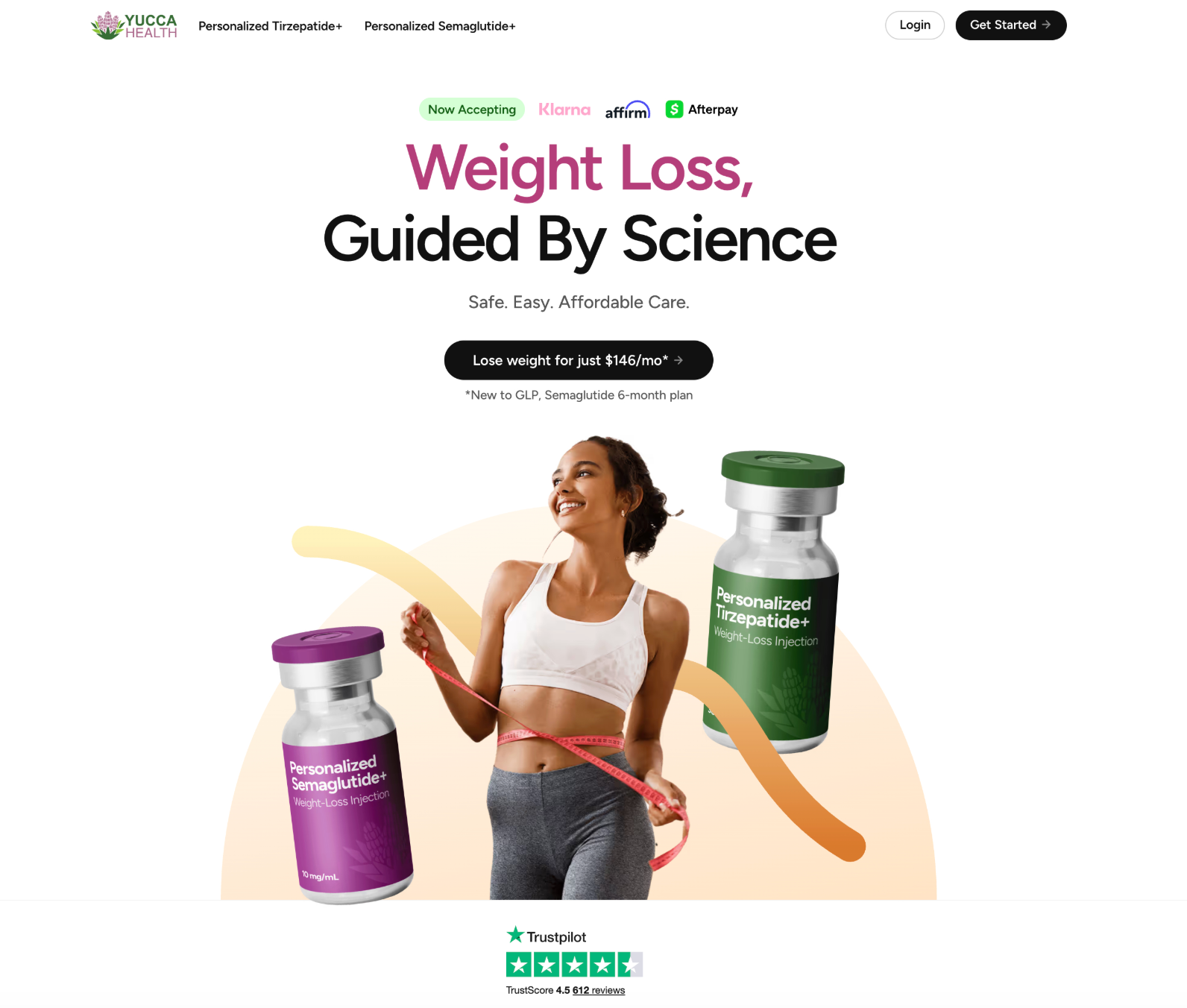
[WEB+MOB] YUCCA HEALTH - TELEHEALTH - GLP-1- US - CPS $280
EPC: $3.20 - CVR: 1.90%
[WEB+MOB] IVY Rx - NAD+ Injection - TELEHEALTH - US - CPS $215
EPC: $4.30 - CVR: 2%
[WEB+MOB] TAURUS - TRT - TELEHEALTH - US - CPS $145
EPC: $2 - CVR: 2%
[WEB+MOB] TAURUS - 4 in 1 - MALE ENHANCEMENT - TELEHEALTH - US - CPS $115
EPC: $2 - CR 2%
As healthcare continues moving online, telehealth affiliate campaigns grow increasingly relevant and profitable. Users who order keto supplements and testosterone boosters have the same underlying intent as those seeking TRT treatments and GLP-1 prescriptions. Adjust your strategy for the longer conversion flow, address their concerns, and you will get the scale and profitability of nutra campaigns without nearly as much competition. At least, before everyone else catches on.








.png)













.png)